
The Desktop Diet
A Gentle Way to Reduce Social Media

This piece was written when Second Act Shift was focused on digital wellness. I’m expanding the lens now, but the core idea still fits: designing your life with intention rather than just reacting to it.
—————————————————————————————————————
As a career and personal coach, I often find myself in an awkward position: preaching moderation while struggling with my own digital addictions. My relationship with social media has been particularly complicated. The platforms help me connect with clients, share ideas, and learn from others in my field. But they also drain my attention and energy in ways that undermine the very habits I help others build.
Last year, I tried to quit social media. In a burst of digital cleansing enthusiasm, I deleted my Twitter, Instagram, and Facebook accounts all at once. "Pat on the back, Dan! You did it!"
Three weeks later, I was doom-scrolling past my bedtime, feeling defeated and more addicted than ever.
As a coach, I've seen many clients struggle to turn short-term change into long-term transformation. Now I was experiencing it myself.
The problem wasn't the desire to change—it was my all-or-nothing approach. What if there was a middle path? A way to maintain connections while breaking the constant-checking habit?
That's where the Desktop Diet comes in: a simple strategy that keeps social media in your life without letting it consume you.
Here's how it works:
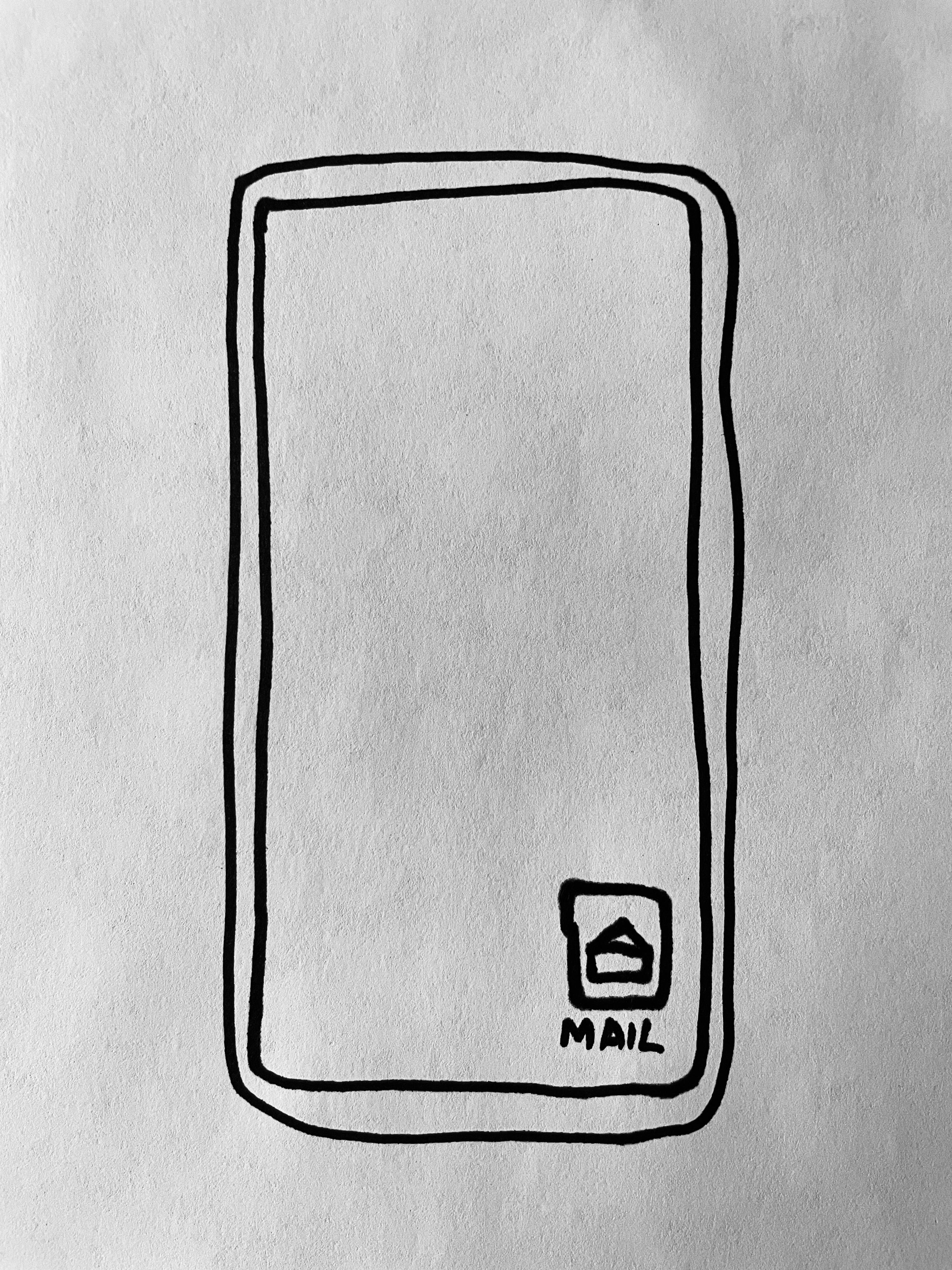
Delete social apps on your phone.
Keep social apps on your desktop/laptop.
That's it! That's the entire diet.
You can still engage on your favorite social platforms, but they're no longer there to consume you during "in-between moments"—long lines, red lights, elevator rides, waiting rooms, boring lectures, etc.
Try leaving your phone in your pocket at these times, allowing your mind to wander and breathe. You can also consider a more nourishing alternative—my current favorites are Duolingo and NYT Games.
WHY THIS WORKS
The Desktop Diet's effectiveness comes down to three core principles of behavior change:
The Friction Factor
Making something slightly harder changes behavior more effectively than relying on willpower. By removing social apps from your phone, you create just enough friction to break the automatic reaching-and-scrolling cycle. You can still check social media, but it requires a conscious decision rather than a reflexive action.
The Context Switch
When social media lives only on your desktop, you naturally separate purposeful use from mindless scrolling. Your desktop becomes a place for intentional engagement—posting updates, checking specific information, or engaging in meaningful conversations. Your phone transforms into a tool for utility rather than endless consumption.
The Environmental Design Principle
Most attempts at behavior change focus on mindset: "I'll just use social media less." But changing your environment is far more effective than changing your thoughts. The Desktop Diet reshapes your digital environment to support your goals rather than relying on constant self-control.
COMMON QUESTIONS
"What about messages from friends?"
This was a big concern for me, too. In brief, take comfort in knowing that slower responses are acceptable. If someone important needs to contact you on a timely basis, they’ll find you through text or email. Another option is to keep Facebook Messenger on your phone but remove the main Facebook app.
"Won't I miss important updates?"
Surprisingly, important news still finds its way to reach you. I check my social feeds at my desk each day, which turns out to be way more than enough.
"What about professional networking?"
This was crucial for me as a coach. I kept LinkedIn on my phone for the first month of the Desktop Diet, then realized I wasn't really using it "professionally" on mobile—I was still just scrolling. Now I do my networking when I'm at my desk, which helps me engage more thoughtfully anyway.
THE UNEXPECTED BENEFITS
Since embracing the Diet, I’ve observed some profound and meaningful changes in my routines:
I’m reading more books. (Side note: as part of my practice, I’ve been putting down my Kindle and returning to good ol’ fashioned paperbacks.)
It’s easier to go to the bathroom and just, well, go to the bathroom.
I find myself having more spontaneous conversations with strangers.
My coaching sessions are more focused—I'm modeling the behavior I teach.
The Desktop Diet isn't a cure-all solution, but it's transformed my relationship with social media. Instead of reflexively reaching for Twitter during my morning coffee, I started journaling again for the first time in years. The platforms are still there when I need them, but they no longer own my attention.
Want to try it? Start with just one platform. Delete it from your phone—right now, seriously!—and see how it feels tomorrow. Ideally, start with the one you’re most scared to let go of.
Share your experience in the comments. What changes did you notice? Did you notice more focus? More boredom? More clarity? I'd love to hear how it works for you.
[sent from my desktop]